What Causes Fungal Disease in Crops, and How Can You Prevent It?
If you’ve ever watched a healthy field turn yellow and wilt almost overnight, you already know how destructive fungal disease in crops can be. It’s one of the biggest threats farmers face every growing season, quietly spreading through soil, water, and air until it’s too late to save the harvest. Understanding what triggers fungal disease in crops, and how to stop it before it takes hold, can be the difference between a thriving yield and a devastating loss.
In this guide, we’ll break down the real causes behind fungal disease in crops, how to spot the early warning signs, and the most effective, sustainable ways to protect your fields.
What Is Fungal Disease in Crops?
Fungal disease in crops refers to infections caused by parasitic fungi that attack plants at various stages of growth, from seedlings to mature, fruit-bearing plants. These pathogens feed on plant tissue, disrupt nutrient flow, and weaken the plant’s structure, often leading to stunted growth, discoloration, rot, or complete crop failure.
Unlike bacterial or viral infections, fungi reproduce through spores that travel easily through wind, water splash, insects, and even farm equipment. That’s part of what makes fungal disease in crops so hard to contain once an outbreak begins: a single infected plant can seed an entire field within days.
What Causes Fungal Disease in Crops?
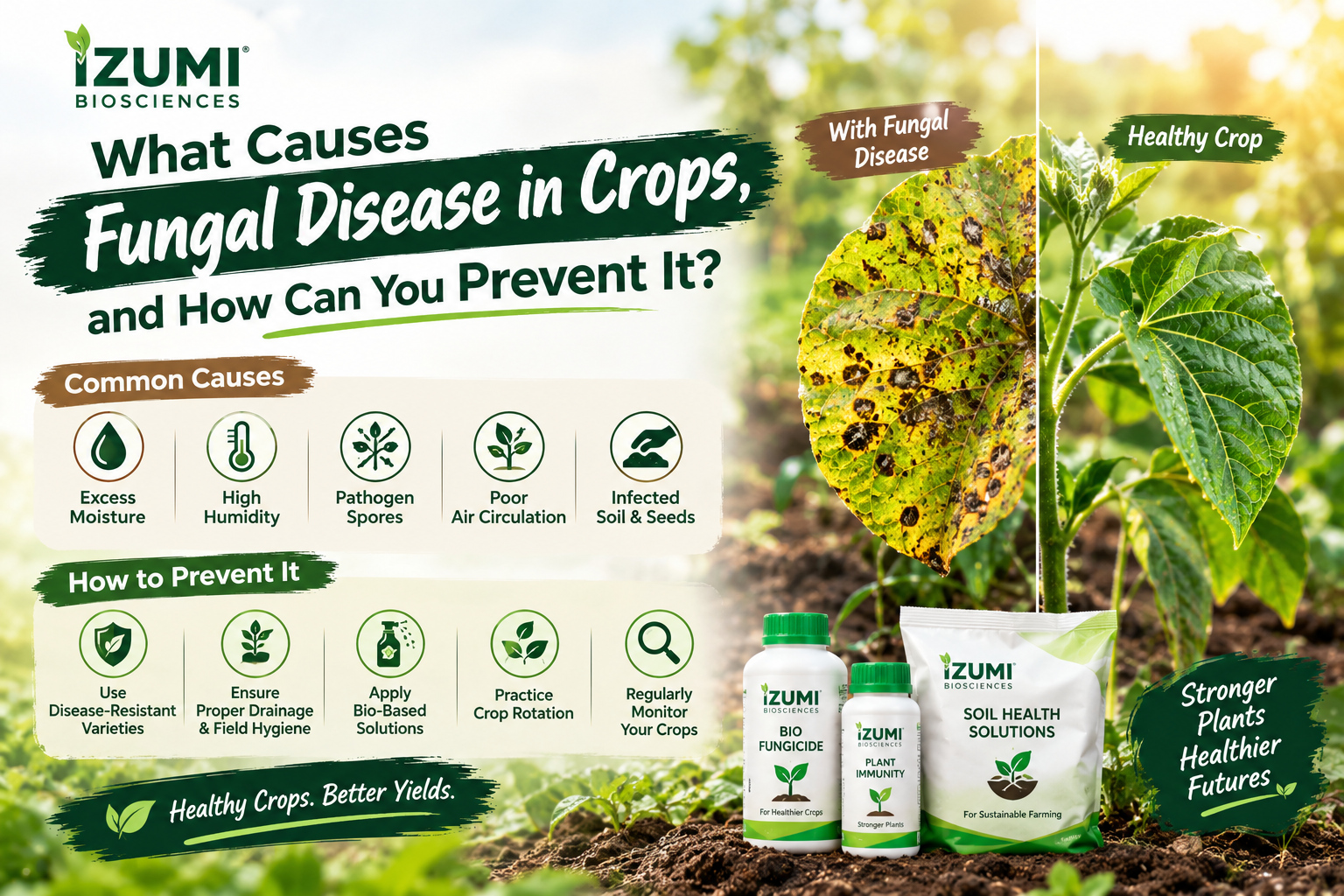
There isn’t just one culprit behind fungal disease in crops. It’s usually a combination of environmental conditions, poor field practices, and biological vulnerability. Here are the most common causes:
1. Excess Moisture and Humidity
Fungi thrive in damp conditions. Overwatering, poor drainage, or prolonged humid weather creates the perfect breeding ground for spores to germinate and spread. Fields that stay wet for extended periods, especially after monsoon season, are far more prone to fungal disease in crops.
2. Poor Air Circulation
Densely planted crops with little airflow trap moisture around leaves and stems. This microclimate is exactly what fungal spores need to establish and multiply, making crowded fields a hotspot for infection.
3. Contaminated Soil and Seeds
Fungal spores can survive in soil for months, even years, waiting for the right conditions. Planting seeds without proper treatment, or reusing infected soil without crop rotation, significantly raises the risk of fungal disease in crops season after season.
4. Nutrient Imbalance
Plants that are nitrogen-deficient or over-fertilized tend to have weaker cell walls, making them easier targets for fungal pathogens. A poorly balanced soil ecosystem doesn’t just affect yield; it directly increases susceptibility to disease.
5. Temperature Fluctuations
Sudden shifts between warm days and cool, damp nights create condensation on leaves, another ideal environment for fungal growth. This is especially common during seasonal transitions.
6. Overuse of Chemical Fertilizers and Pesticides
Ironically, heavy reliance on synthetic chemicals can disrupt the natural microbial balance in soil, killing off beneficial organisms that would otherwise keep harmful fungi in check.
Common Signs of Fungal Disease in Crops
Catching fungal disease in crops early is critical. Watch for:
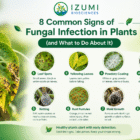
- Yellow, brown, or black spots on leaves
- White or grayish powdery coating (powdery mildew)
- Wilting despite adequate watering
- Rotting stems, roots, or fruit
- Stunted or distorted growth
- A musty smell around affected plants
If you notice any of these symptoms spreading across multiple plants, it’s likely you’re dealing with fungal disease in crops rather than a simple nutrient issue.
How to Prevent Fungal Disease in Crops
The good news? Fungal disease in crops is largely preventable with the right combination of field management and biological support.
1. Improve Drainage and Watering Practices
Avoid overwatering, and water early in the day so foliage has time to dry before nightfall. Well-drained soil reduces the standing moisture that fungi depend on.
2. Practice Crop Rotation
Rotating crops disrupts the lifecycle of soil-borne fungal pathogens, preventing them from building up year after year in the same field.
3. Space Plants Properly
Give crops room to breathe. Better spacing improves airflow, reduces humidity around leaves, and lowers the risk of fungal disease in crops spreading from plant to plant.
4. Use Disease-Resistant Seed Varieties
Choosing resistant cultivars is one of the simplest, most effective long-term defenses against recurring fungal outbreaks.
5. Adopt Bio-Based Crop Protection Solutions
This is where sustainable science makes a real difference. Instead of relying solely on harsh synthetic fungicides, which can harm soil health and beneficial microbes, bio-based solutions work with the plant’s natural defenses. At Izumi Biosciences, we develop biological crop protection products designed to strengthen plant immunity and suppress fungal pathogens naturally, without disrupting the surrounding ecosystem.
6. Monitor Fields Regularly
Routine field inspections help catch fungal disease in crops before it spreads. Early intervention, whether through targeted treatment or removing infected plants, can save an entire harvest.
7. Maintain Soil Health
Healthy, biologically active soil is naturally more resistant to fungal disease in crops. Composting, reducing chemical overuse, and encouraging beneficial microbial activity all contribute to stronger, more resilient plants.
Why a Sustainable Approach Matters
Fungal disease in crops isn’t going away. If anything, shifting climate patterns are making outbreaks more frequent and harder to predict. That’s why more farmers are moving away from short-term chemical fixes and toward long-term biological solutions that protect both yield and soil health.
Bio-based crop protection doesn’t just fight the current outbreak; it builds a farm’s resistance to future ones, season after season. It’s a smarter, more sustainable way to farm.
Final Thoughts on Fungal Disease in Crops
Fungal disease in crops can spread fast, but it doesn’t have to be inevitable. By understanding the root causes (moisture, poor airflow, contaminated soil, and weakened plant immunity) and taking proactive, sustainable steps, farmers can protect their fields without compromising long-term soil health.
At Izumi Biosciences, we’re committed to helping farmers fight fungal disease in crops the smarter way, with science-backed, bio-based solutions that work in harmony with nature, not against it.
Ready to protect your crops the sustainable way? Explore Izumi Biosciences’ bio-based crop protection solutions today and give your fields the natural defense they deserve. Visit izumibiosciences.in to learn more.
FAQs
1. What is the main cause of fungal disease in crops?
Excess moisture combined with poor air circulation is the leading cause, though contaminated soil, weak plant immunity, and temperature swings also play a major role.
2. Can fungal disease in crops spread to healthy plants?
Yes. Fungal spores travel through wind, water, insects, and equipment, making rapid spread a real risk once an infection takes hold.
3. How can I tell if my crops have a fungal infection?
Look for discolored spots, powdery residue, wilting, or rotting despite normal watering. These are classic signs of fungal disease in crops.
4. Are bio-based solutions as effective as chemical fungicides?
Bio-based solutions work by strengthening plant immunity and supporting healthy soil microbiomes, offering effective, longer-term protection without the ecological downsides of heavy chemical use.
5. How often should I inspect my fields for fungal disease?
Weekly inspections during humid or high-risk seasons are ideal for catching fungal disease in crops early, before it spreads.